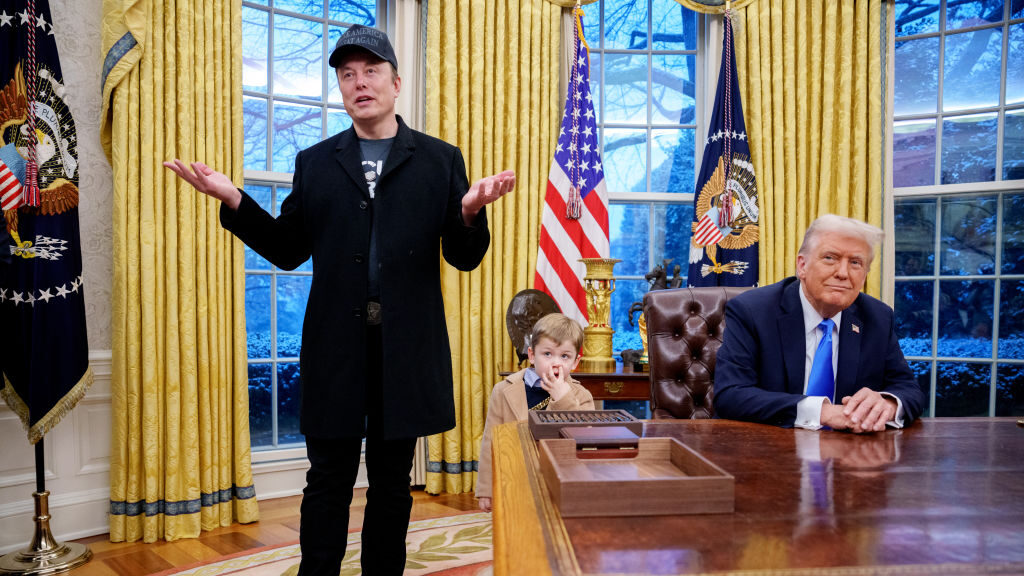
Amid Trump, Musk blowup, canceling SpaceX contracts could cripple DoD launch program
Elon Musk's SpaceX is already expected to conduct more than two dozen national security-related space launches over the next few years.
Elon Musk's SpaceX is already expected to conduct more than two dozen national security-related space launches over the next few years.

"With a 16 metric ton to orbit capability, Eclipse is a sweet spot for programs like NSSL Lane 1 and a natural fit to launch proliferated constellations," said Firefly CEO Jason Kim.


Blending superior optics, advanced stabilization and AI-powered autonomy in a compact and rugged system, ASELFLIR 600 delivers unmatched intelligence, surveillance and reconnaissance (ISR) capabilities.

While the number of launches contracted to Blue Origin is small, the award represents a vote of confidence for the company founded by Amazon billionaire Jeff Bezos.

Both companies were awarded indefinite-delivery/ indefinite-quantity contracts under the service's National Security Space Launch Phase 3 Lane 1.

With that thumbs up from Space Systems Command’s (SSC) Assured Access to Space program office in hand, ULA now is the second fully certified launch provider, along with SpaceX, cleared under the Space Force's National Security Space Launch (NSSL) program.

ULA CEO Tory Bruno separately told reporters his firm identified a "manufacturing" error as the cause of an anomaly in its latest certification launch.


The initial command and control gateway to earn a continuous Authority to Operate is changing multi-domain operations.

Brig. Gen. Kristin Panzenhagen, Space Force acquisition leader for assured access to space, said her focus going forward is "resiliency" across her portfolio, which includes launch vehicles, range infrastructure and capacity, and base security.
Service leaders see the launch vehicle as a future competitor to SpaceX's Falcon series rockets that currently have a lock on the most critical launches under the Defense Department's National Security Space Launch program.

Lt. Gen. Philip Garrant, chief of the Space Force’s Space Systems Command, stated that the service will not move forward with awards for the newest round of the National Security Space Launch program until Congress approves the fiscal 2025 budget.

While Pentagon launches are not covered by FAA rules, a healthy and, importantly, diverse rocket industry base is important to the Space Force for keeping its launch costs down.
Michigan’s defense ecosystem and expertise makes it a special asset for production.
Should Vulcan get the Space Force go-ahead, both planned NSSL missions are expected to fly by the end of the year as planned.
ULA CEO Tory Bruno explained that Air Force space acquisition czar Frank Calvelli asked Lockheed Martin and Boeing to create an independent review team to "help" Vulcan production rates and launch site readiness remain on track.
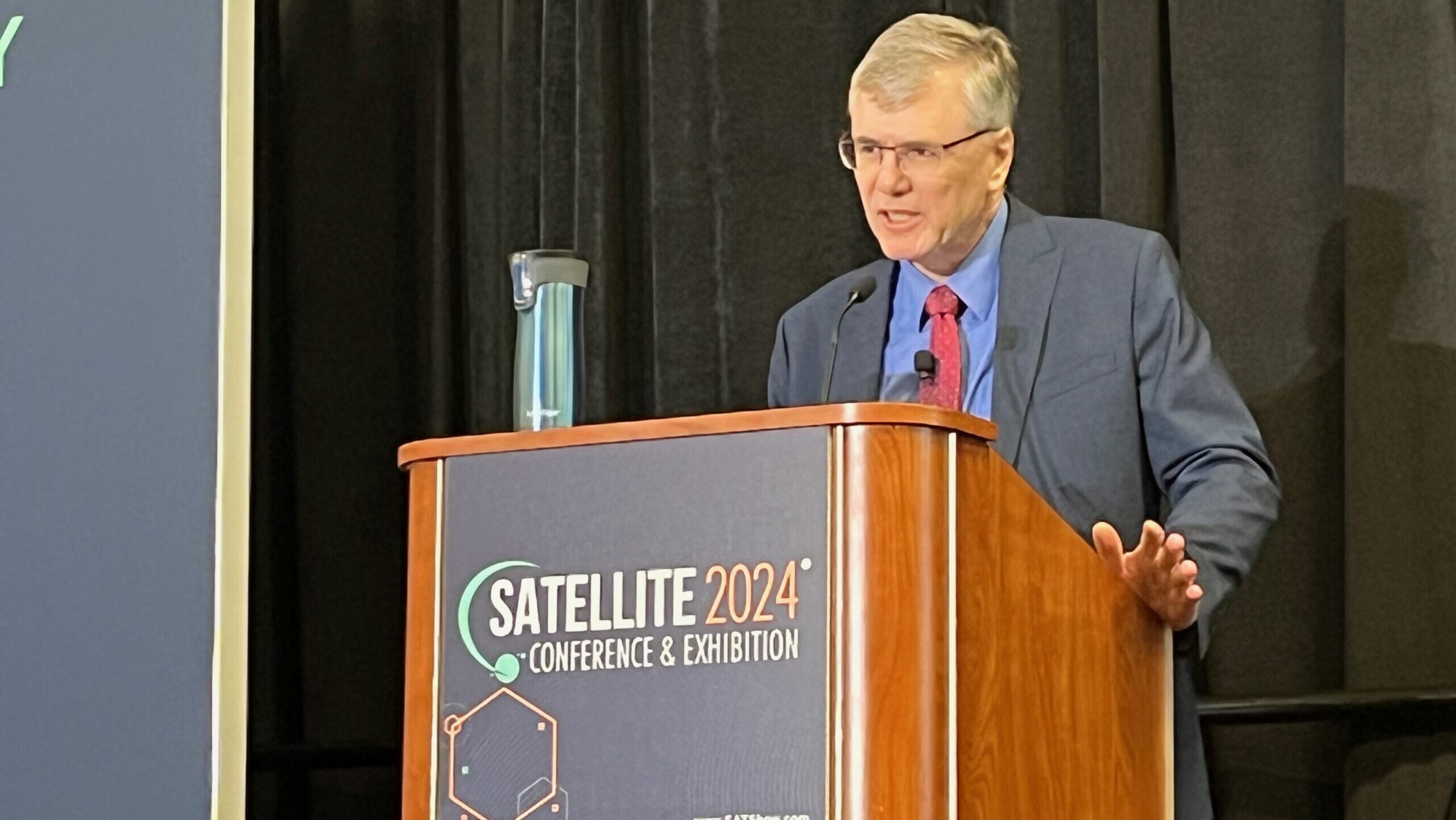
Troy Meink, NRO principal deputy director, explained that the decline in launch costs is one of two critical factors in allowing NRO to begin to diversify its on-orbit force structure to include both "large and small satellites" using multiple orbital domains.
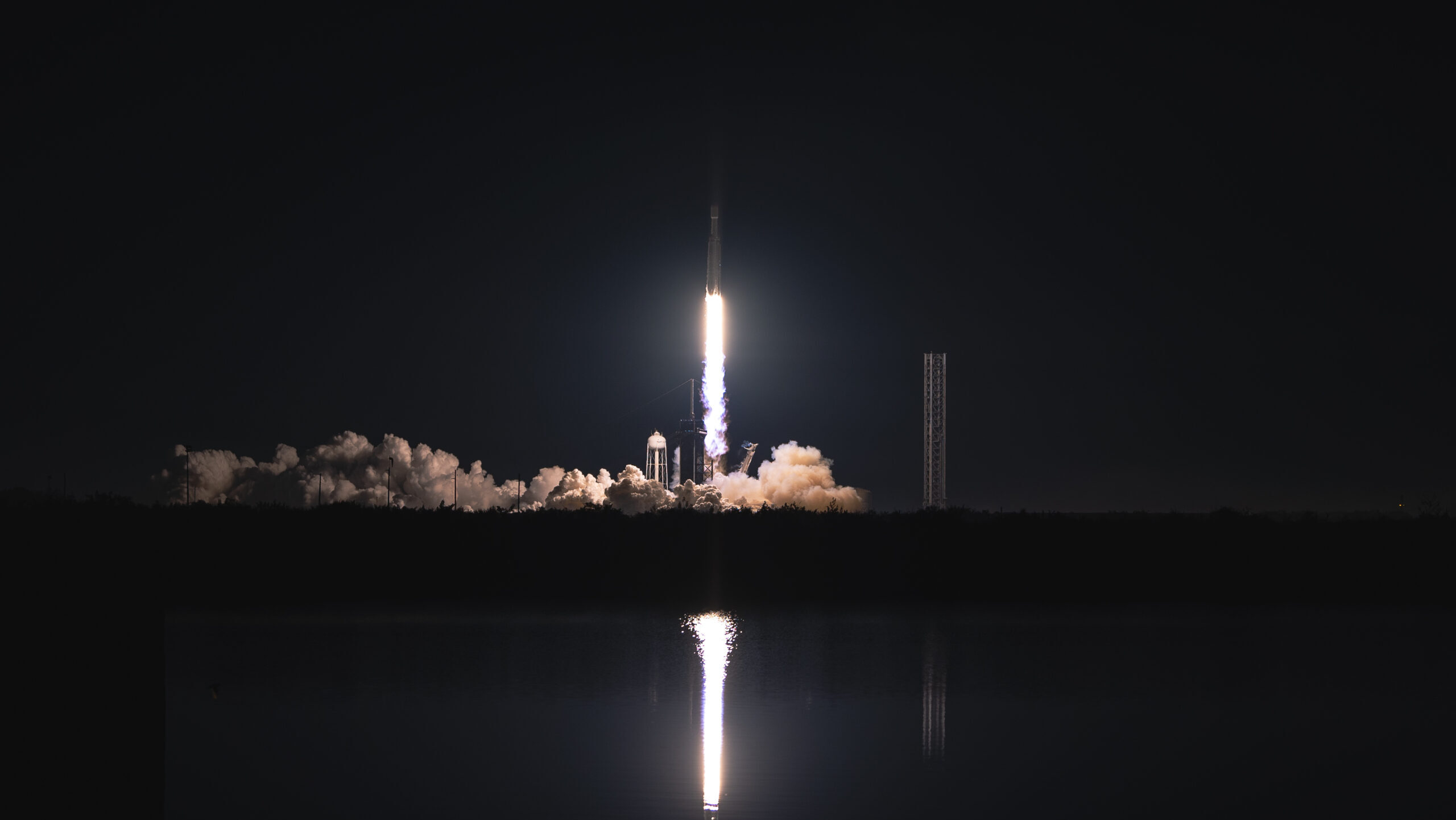
Gen. Michael Guetlein said that the service is "looking at losing about seven" of the 10 launches it planned under the National Security Space Launch program in FY24 if the CR is prolonged.